Clean Shores & Seas
Restoring Shorelines Through Indigenous Knowledge, Leadership and Community Action
Marine debris accumulates along thousands of kilometres of shoreline throughout the Great Bear region, threatening sensitive habitats, wildlife, cultural sites, food-gathering areas, and the health of coastal waters. Much of this coastline is remote and accessible only by boat. Removing debris requires specialized crews, vessels, equipment, transportation, and safe disposal or recycling—making large-scale cleanup and continued monitoring complex and costly. Without sustained action, debris continues to accumulate in places that are ecologically and culturally important.
This initiative supports work led by member Nations to identify priority areas, remove marine debris, and restore important coastal places. Working with Coastal Guardians, stewardship offices, Elders, Knowledge Holders, youth and technical partners, the program combines cleanup and monitoring with community employment, training, land-based learning, recycling, and waste reduction. This work builds the long-term capacity needed to care for shorelines and prevent further harm.
From 2019 to 2025, participating Nations led shoreline cleanup operations that combined debris removal, field safety, community engagement, youth training and responsible material handling and disposal. Beginning in 2026, the initiative has evolved to include sustained monitoring, marine debris prevention, Nation-led research, youth stewardship and solutions to remote community waste infrastructure gaps. These activities depend on long-term funding and support and decision led by Nations.
Debris Collected
264,111 kg
2020-2025
Shoreline Cleaned
331 km
2020-2025
Community Members Employed
122
Including 28 youth
Priorities Defined by Nations
Member Nations identify the shorelines most in need of attention. Stewardship leaders, Coastal Guardians, Elders, and Knowledge Holders contribute knowledge of local conditions and help prioritize culturally significant sites, sensitive habitats, food-gathering areas, and places where debris has accumulated. Previous cleanups included Haida Gwaii, Metlakatla, Gitxaala, Gitga’at, Heiltsuk, Kitasoo Xai’xais, Nuxalk and Wuikinuxv.
Restoring Remote Shorelines
Cleanup teams travel to remote coastal areas to collect abandoned fishing gear, plastics, polystyrene, and other marine debris. The work can involve coastal patrols, shoreline assessments, vessel support, staging, transportation and the careful removal of material from places that are difficult to access.
Creating Community Employment
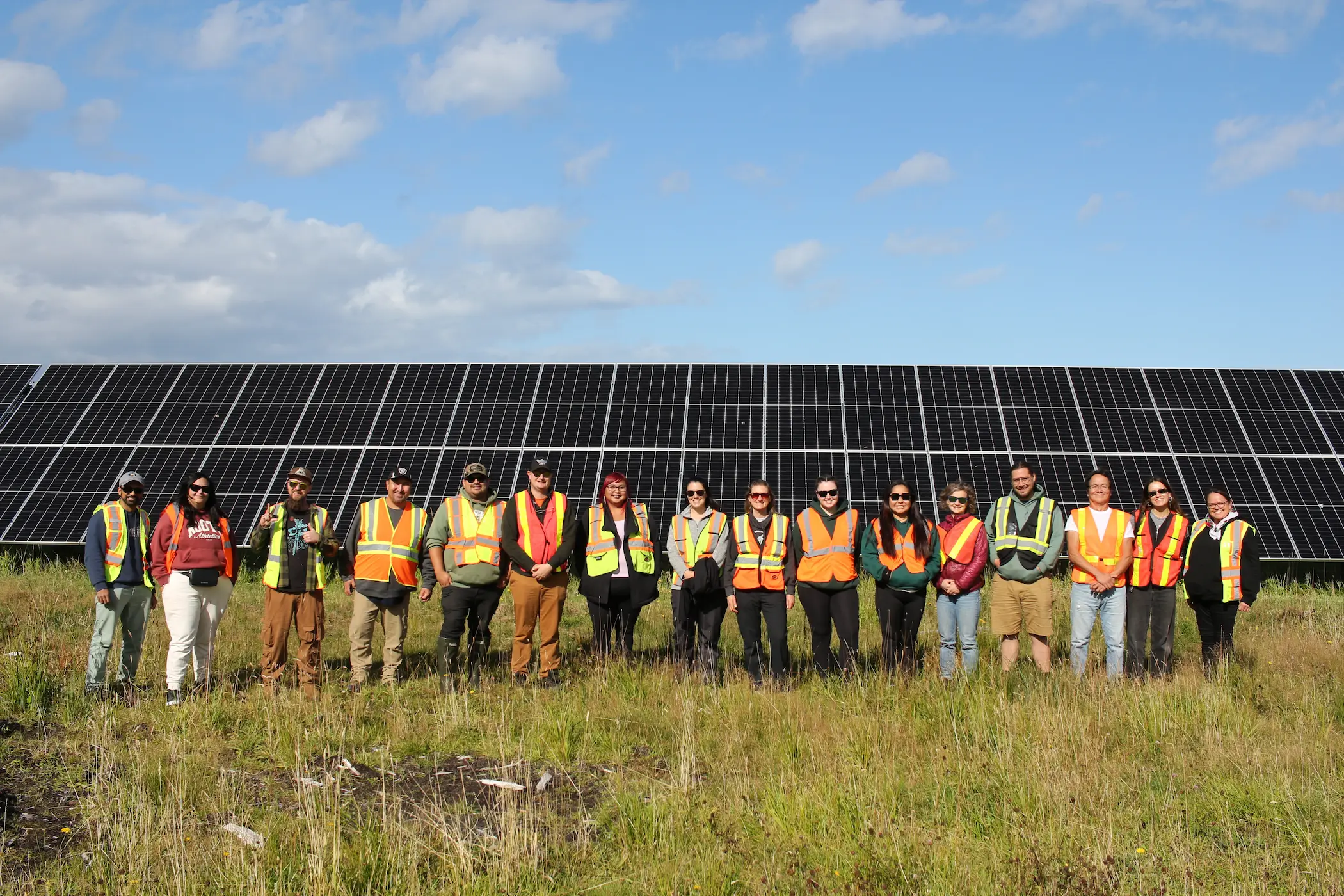
The program creates seasonal and project-based employment within participating communities. Team members develop practical experience in shoreline assessment, debris removal, vessel operations, field safety, monitoring and project coordination while contributing directly to the care of their territories.
Connecting Youth and Knowledge
Youth participation creates opportunities for land-based learning, mentorship, and time with Elders, Knowledge Holders, Coastal Guardians and stewardship staff. Young people gain practical skills while building connections to their territories, communities and responsibilities to lands and waters.
Reducing and Reusing Waste
Collected debris is sorted and diverted to recycling, or reused where feasible, with residual material disposed of appropriately. Partnerships with organizations such as Ocean Legacy Foundation and Recycle BC contribute to broader efforts to improve recycling, waste reduction and circular-economy systems in remote coastal communities. Ocean Legacy has been our greatest support downstream recycling and processing material. The project has reported approximately up to 85% diversion from the landfill. Remote transport and limited recycling infrastructure remain significant barriers.
Building Long-Term Capacity
Shoreline restoration is not a one-time activity, and cleanups cannot stop new debris from arriving on the shoreline. Long-term care requires sustained monitoring, trained community teams, shared safety and reporting practices, stable multi-year funding, and continued investment in Nation-led research, youth mentorship, recycling infrastructure, and marine-debris prevention. Longterm success requires stable funding, local capacity building and partnerships accountable to member Nations.
Community Voices
“This project is important because it connects Heiltsuk people, in particular youth, back to the land and water they descend from and gives them an opportunity to remove debris to help bring the land and water back to its original state. In doing this work, we’re exemplifying Heiltsuk values of respect and reciprocity—for the land and water that give back to us in so many ways.”
William Housty, Heiltsuk
Associate Director, Heiltsuk Integrated Resource Management Department
Working Together
The scale and remoteness of the Great Bear coast make collaboration essential. The Clean Shores & Seas Program brings together member Nations, Coastal Guardians, stewardship offices, community cleanup teams, youth, technical organizations, transportation providers, tourism operators, recyclers and government partners.
This shared work supports immediate cleanup while contributing to longer-term solutions, including:
- Regular shoreline monitoring and coastal patrols
- Training, mentorship and community employment
- Improved recycling and waste-management systems
- Nation-led research and data collection
- Marine-debris prevention and public awareness
- Shared safety, cleanup and reporting practices
- Stable, multi-year support for ongoing restoration